
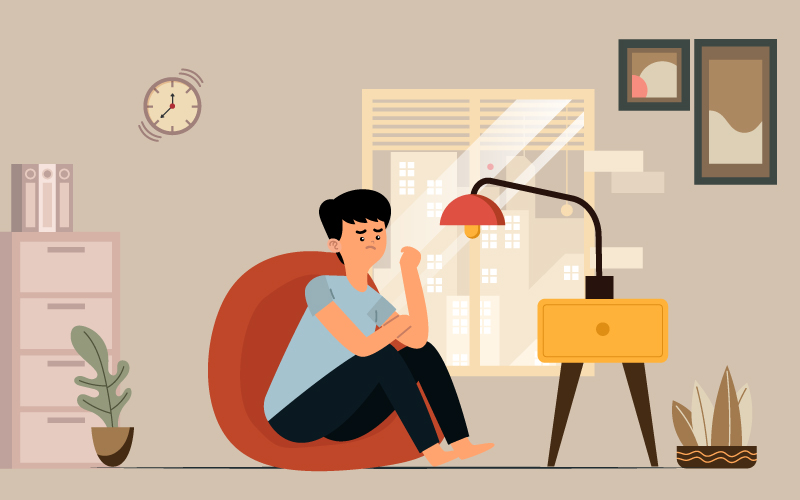
Self-doubt doesn’t usually announce itself.
It doesn’t show up as a loud voice saying, “You can’t.”
More often, it whispers:
- “Maybe later.”
- “What if I’m wrong?”
- “I’m not ready yet.”
If you’ve ever wondered, “Why do I doubt myself?”, you’re not weak or broken. Self-doubt is a learned response, and because it’s quiet, it can shape your life without you realising it.
1. Self-Doubt Works in Subtle Ways
Self-doubt rarely stops you outright.
Instead, it delays you.
It shows up as:
- Overthinking simple decisions
- Waiting for perfect timing
- Downplaying your strengths
- Asking for excessive reassurance
Over time, these small hesitations accumulate into big life patterns.
2. Where Self-Doubt Often Comes From
Self-doubt isn’t a personality flaw. It often develops from:
- Early criticism or comparison
- Fear of disappointing others
- Past failures that weren’t processed
- Growing up in environments where approval mattered more than expression
Your mind learns to question itself as a form of protection.
3. The Cost of Constant Self-Questioning
Living with self-doubt doesn’t just affect decisions, it affects identity.
You may start to:
- Shrink your goals
- Avoid opportunities you actually want
- Say yes when you mean no
- Stay silent even when you have something valuable to say
This is how self-doubt quietly shapes the direction of your life.
4. Self-Doubt and Emotional Burnout
Constantly doubting yourself is exhausting.
When every choice requires mental justification, you experience:
- Emotional fatigue
- Low motivation
- Reduced confidence
- Inner tension
This isn’t laziness. It’s the emotional cost of mistrusting yourself for too long.
5. Why Logic Alone Doesn’t Fix Self-Doubt
Many people try to “think” their way out of self-doubt.
But self-doubt isn’t a logic problem; it’s an emotional pattern.
You can be capable, skilled, and intelligent and still struggle with self-trust.
This is why mindset work and emotional awareness are essential.
6. The Difference Between Caution and Self-Doubt
Caution is thoughtful.
Self-doubt is paralysing.
Caution asks:
“Is this aligned with my values?”
Self-doubt asks:
“What if I mess everything up?”
Learning to tell the difference helps you move forward without forcing yourself.
7. How Self-Doubt Affects Relationships and Work
Self-doubt doesn’t stay in one area of life.
It can show up as:
- Over-apologising
- Difficulty setting boundaries
- Fear of visibility
- Avoiding leadership or responsibility
When unchecked, it shapes how you show up, or don’t, in the world.
8. How to Gently Challenge Self-Doubt
You don’t defeat self-doubt by being harsh with yourself.
You soften it by building self-trust.
A. Notice the Pattern
Instead of believing the doubt, observe it.
“This is my self-doubt talking.”
Awareness creates space.
B. Collect Evidence
Write down moments where you handled things well, even imperfectly.
Self-doubt weakens when confronted with lived proof.
C. Take Small Self-Trust Actions
Confidence grows through action, not certainty.
Choose small steps that reinforce:
“I can handle this.”
D. Replace Perfection With Permission
You don’t need to be ready.
You need to be willing.
9. This Is Where Coaching Helps
Self-doubt often persists because it’s been normalised.
Pari Coaching helps you:
- Understand where your self-doubt came from
- Rebuild trust in your inner voice
- Shift from fear-based thinking to grounded decision-making
- Strengthen confidence without forcing change
Coaching creates a safe space to question the doubt, not yourself.
Final Thought: You Are Not Uncertain, You’re Unpracticed at Trusting Yourself
If you doubt yourself often, it doesn’t mean you’re incapable.
It means you’ve learned to second-guess instead of self-trust.
And that can be unlearned.
With patience, reflection, and support, self-doubt loosens its grip and clarity begins to replace it.
Pari Coaching helps you build that trust quietly, steadily, and sustainably.
Because the loudest voice in your life doesn’t need to be doubt; it can be self-belief.
Leave a Reply
You must be logged in to post a comment.